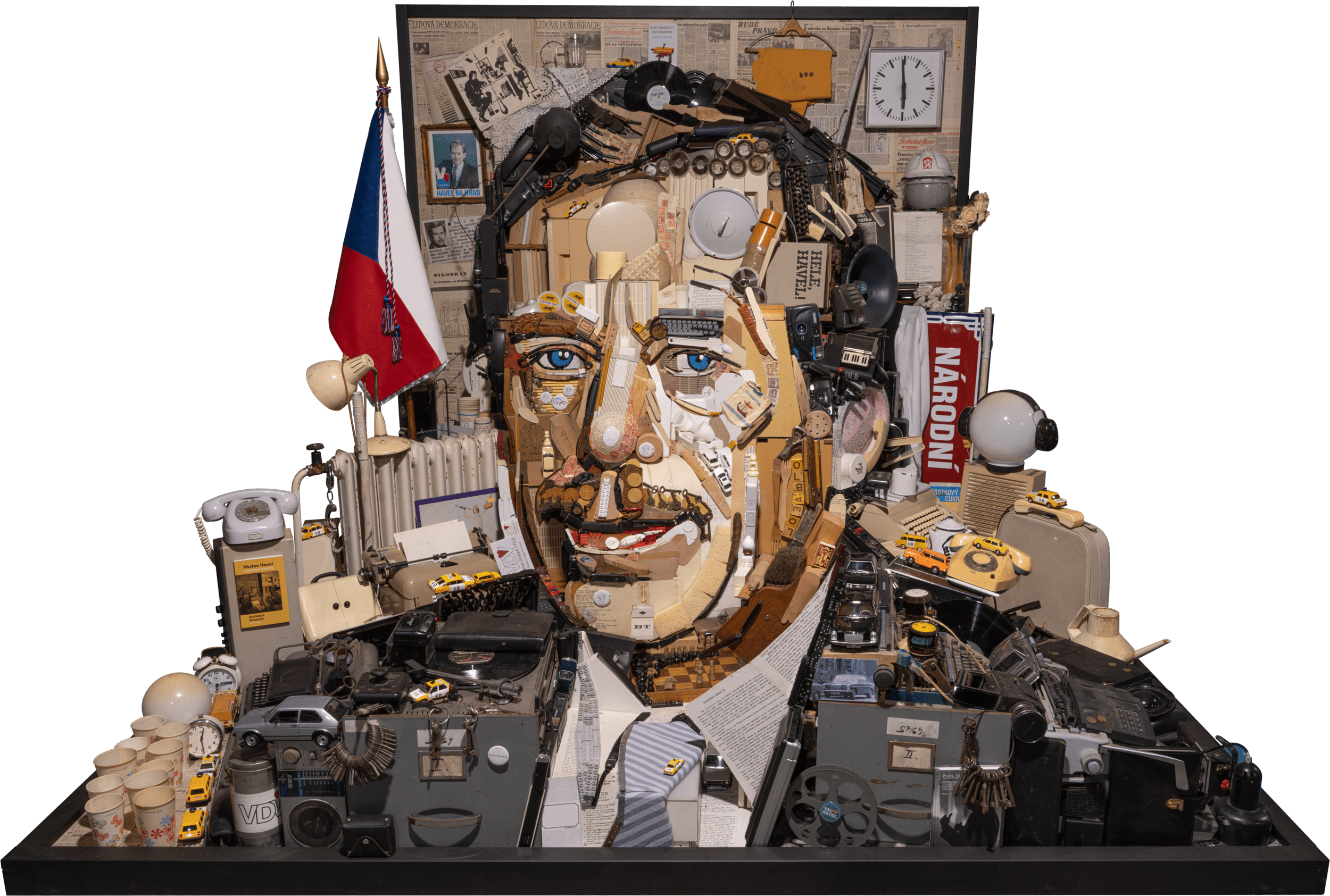
He loved paradoxes, so perhaps he appreciated that his own life became one. A man who had devoted most of his life to creating texts – plays, essays, political speeches – eventually entered history not only as a man of the pen but primarily as a man of action. He taught words to inspire others and set ideas in motion.
These are perhaps some of the most challenging events in a person’s life: Not to miss the moments when important decisions must be made and act decisively – and correctly – based on them.
He knew that to be useful to others in this way, one must first understand oneself. That’s why he was so concerned with living in truth. Someone who is truthful to themselves may not easily succumb to illusions about themselves. They can better estimate their strengths and accept the responsibility that comes with them. It’s best when they then burden themselves a bit more than they currently can handle so that their own future pulls them forward.
Even a smart, educated, and hardworking person is of no use to the world if they are only concerned with their own perspective. Useful is the one who doesn’t push forward only their own viewpoint, but can see the situation through the eyes of others. They perceive people mainly through the relationships between them. And they don’t predefine any boundaries for this perception.
He believed in human rights and advocated for them all over the world. He was convinced that every person is valuable in some way. From the fact that they occupy an irreplaceable place, it also follows that the tasks they enter into cannot be fulfilled by anyone else. To be useful to others, one can only do so if they know their share of responsibility and can handle it accordingly.
He was aware of how much negative emotions can drain people of their energy. If for no other reason, he tried to be positive. He believed that there are things that unite people: He searched for them and then delivered urgent messages about his findings. If he had enemies, it was because they themselves chose this role.
He acknowledged the criticism of the bad, but, where he could, he preferred positive actions that speak for themselves. And he also believed that even when a person is at their worst and feels like giving up on everything, they should still be considerate of others to the extent that they keep this bad news about themselves to themselves. If he was unhappy, no one really found out about it from him.
To this day, those who read him will understand what they can and should do themselves. They are in good company.
Pavel Kosatík, historian
A big thank you to everyone who made it possible to collect all the components of the statue.
They include: the Václav Havel Library; Olga Havel’s Goodwill Committee; the Dagmar and Václav Havel foundation VIZE 97; Charter Foundation 77; Theater on the Railing; Pavel Šťastný, designer of the OF logo; Nadia Rovderová from the Artinbox gallery, who donated Ivan Jirous’s personal typewriter; photographers Oldřich Škácha, Bohdan Holomíček, Ondřej Němec and Abbé Libanský and, of course, other friends and collaborators of Václav Havel, as well as countless people who donated often valuable objects for them, based on a public appeal on social media.
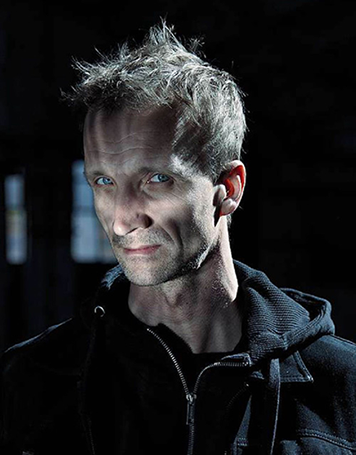
Patrik Proško (1974)
Autor sochy, Patrik Proško sochař, vizuální umělec a cestovatel
Czech visual artist, sculptor, and traveler Patrik Proško has created an anamorphic portrait of Václav Havel using thousands of authentic objects and documents, narrating his incredible life story in visual form. The majority of these items were acquired by the artist as gifts from ordinary people, Havel’s contemporaries, as well as from institutions bearing Václav Havel’s legacy.
In the realm of visual arts, anamorphosis refers to a distorted representation or perspective that requires the viewer to adopt a specific angle of view to merge the image into the correct whole. The name of this artistic technique is derived from the Greek prefix “ana-“, meaning up, back, or again, and the word “morphe,” meaning shape or form. The resulting effect can take the form of either 3D or 2D.
Patrik Proško’s primary focus in his work is site-specific interventions, which he carries out all over the world. He has already created over 90 projects in 30 countries across three continents.